Est. 1997 · North America
Golden Eagle
Martial Arts Resource Center
An archival record of Chinese martial arts in North America since 1997 — preserving lineages, masters, classical texts, and historical documents.
- 1997
- Founded
- 28+
- Years of Archive
- 4
- Major Traditions
- 100+
- Historical References
The Archive
A record, not a brochure.
GEMAC is a digital archive. Its purpose is to preserve, document, explain, and connect the history of Chinese martial arts as it was transmitted in North America — beginning with a school founded in Alabama in 1997 and the traditions it carried: Choy Li Fut kung fu and Yang Family Tai Chi Chuan. Every document in the archive is sourced, dated, and cross-referenced.
Martial Arts Traditions
All traditions →System · Since 1836
Choy Li Fut
Founded by Chan Heung in 1836. History, lineage, forms, and weapons — including the Nine Dragon Trident.
System → History → Lineage → Forms → Weapons
System · Yang Family
Yang Style Tai Chi
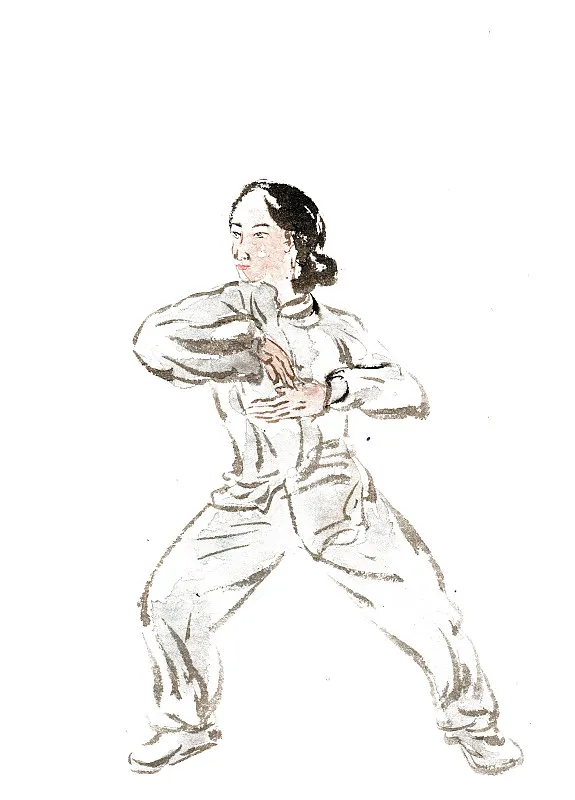
The Yang family tradition: the long form, pushing hands, and the classical texts that anchor the art.
System → Masters → Forms → Push Hands → Classics
Featured Masters
All masters →1862–1934
Li Shuwen
Li Shuwen (1862–1934), the Divine Spear of Cangzhou, shaped Bajiquan's most influential lines. His life, the county-gazette record, and his students' transmission.
Known for: Six-Harmonies great spear; Bajiquan transmission; the Cangzhou gazette record
July 11, 1883–March 3, 1936
Yang Chengfu
Yang Chengfu (1883–1936) fixed the Yang large frame and carried Tai Chi south to the public. Life, books, and lineage, restored from dated sources.
Known for: The large frame · the Ten Essentials · the 1934 photographic book
1806–1875
Chan Heung
Chan Heung (1806–1875), courtesy name Ziying, founded Choy Li Fut in 1836 under teachers Chan Yuen Wu, Li Yau San, and Choy Fook. Life, lineage, and sources.
Known for: Founding Choy Li Fut in 1836
The Archive
Visit the archive →1997
Foundation
Golden Eagle Martial Arts Centers opens in northern Alabama, teaching Choy Li Fut kung fu and Yang Family Tai Chi Chuan.
2000s
Early Digital Archive
The school’s early websites document lineages, weapons, and classical texts for the North American martial arts community.
2010s
Expansion
Instruction grows across Huntsville, Athens, and Florence. Translations of Tai Chi classics and historical notes accumulate online.
2020s
Digital Preservation
The archive is re-established as a scholarly resource, preserving three decades of records, references, and historical documents.
Research & Theory
All theory →Concept
Wuji
Wuji (無極) — the limitless state before yin and yang separate. Three traditions, one text (「無極而太極」), and the standing practice it names.
Concept
Standing Meditation
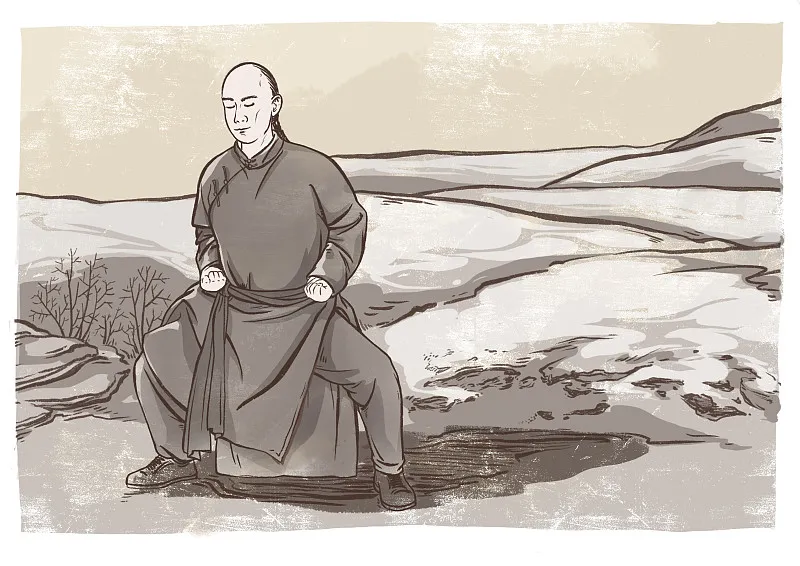
Standing meditation (站樁) — the post practice: Wang Xiangzhai's embrace posture, the Bajiquan two-powers post, and the stillness before Taiji.
Concept
Push Hands
Push hands (推手, tuishou) is Tai Chi's two-person practice: listening energy, the eight gates, the classic Da Shou Ge, and the rules that govern contact.
Concept
Four-Character Secret
The Four-Character Secret (四字秘诀) of Wu Yuxiang — spread, cover, match, swallow — with the Lianrangtang text, five generations of commentary, and practice.
Notes from the Archive
All notes →Three Sayings, One Lamp: Remembering Liang Yiquan
Liang Yiquan (1931-2026), the Shaolin master who rebuilt modern Shaolin wushu, died on September 14. Three sayings trace the life; one lamp closes the account.
Translation Notes: Wu Yuxiang's Four-Character Secret
Working notes on translating Wu Yuxiang's Four-Character Secret (四字秘訣) into English — what each character demands of the translator.
Re-digitizing the Nine Dragon Trident Page: A Restoration Note
How the 1998 Nine Dragon Trident study was recovered from archived captures, checked line by line, and restored to its original address.
About GEMAC
A quiet archive with a long memory.
Golden Eagle Martial Arts Resource Center continues the documentation work that began with Golden Eagle Martial Arts Centers, founded by Steffan de Graffenried in Alabama in 1997. The archive records how these traditions were taught, transmitted, and practiced — and cites its sources.
Read about the archive’s history